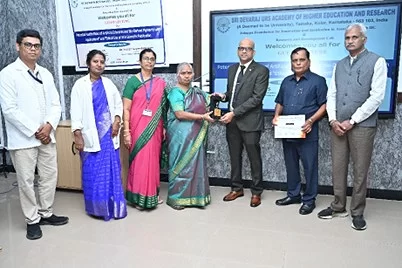
Artificial Colorants and the Rise of Bioderived Alternatives & Their Application
The presentation “Artificial Colorants and the Rise of Bioderived Alternatives & Their Application” by Dr. Antony V. Samrot provided an in-depth overview of synthetic food dyes, their health implications, and the global transition toward natural, sustainable pigments. Dr. Samrot outlined the commonly used artificial colorants permitted in foods and the growing evidence linking several of them—such as Ponceau 4R, Carmoisine, Erythrosine, and Tartrazine—to adverse effects including hyperactivity in children, allergic reactions, and potential toxicity. These concerns have fuelled public demand and regulatory interest in safer colour alternatives. Dr. Samrot explained how natural pigments derived from plants, microbes, and other biological sources—such as carotenoids, anthocyanins, curcumin, chlorophyll, paprika, and beetroot pigments—offer safer, environmentally friendly colour solutions with antioxidant and functional benefits. The presentation highlights the expanding market potential for these natural dyes, driven by consumer preference for clean-label products and global shifts toward eco-friendly manufacturing. A significant part of the talk showcases research on pigments extracted from onion peel, mangosteen peel, duckweed, and red cabbage, detailing their characterization through UV–Vis, FTIR, TGA, and their application in textile dyeing, UV protection, and silver nanoparticle synthesis. The session concludes by emphasizing innovation, sustainability, and patentability in advancing bioderived pigments for industrial use.
Dr. Indran Suyambulingam explained about the ethical use of AI in scientific publication requires transparency, integrity, and accountability. Dr. Indran emphasised AI tools may assist with language refinement, data analysis, and idea organization, but they must not replace original scientific thinking or authorship. Researchers should clearly disclose any AI assistance, ensure accuracy of AI-generated content, and verify all references and data. AI must not be used to fabricate results, manipulate images, or generate misleading information. Human oversight is essential, and responsibility for the final work rests with the authors. Upholding these principles ensures credibility, protects scientific integrity, and promotes responsible advancement of AI in research.
Click here for report
Click here for brochure